
What Makes Handmade Furniture Worth the Investment?
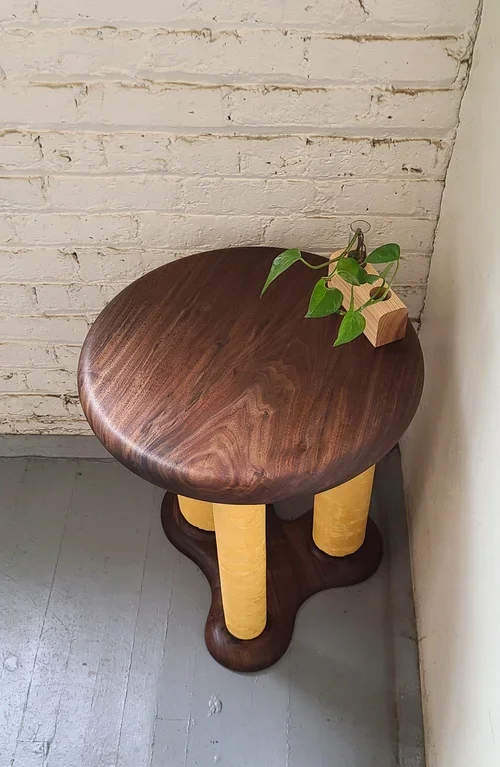
Some furniture fills a space. Some furniture becomes part of a family's story.
I've always believed there's a difference. A dining table isn't just somewhere to eat. It's where birthdays are celebrated, homework gets finished, and conversations stretch long after dinner is over. That's why I approach every project with patience. Every tree has already lived a long life before it reaches my workshop, and I think it deserves another chapter that's just as meaningful.
If you're looking at handcrafted furniture in Wisconsin, you're probably not comparing it to the cheapest table in a showroom. You're looking for something that feels personal, lasts for decades, and reflects the character of your home or business. That's where handmade furniture earns its value.
Why Handcrafted Furniture in Wisconsin Lasts Longer
One of the first things I notice when choosing timber isn't its colour or its size. It's the way the grain moves through the board. Sometimes I'll spend more time studying a slab than I do making the first cut. The wood usually tells me what it wants to become.
Mass produced furniture rarely allows for that kind of attention.
Factory production is designed around speed and consistency. Every board is expected to behave the same way, even though no two trees have ever grown under the same conditions. Handmade work is different because every piece asks for its own approach.
That patience shows up years later.
Solid hardwood develops character instead of wearing out. Small marks become reminders of everyday life rather than signs it's ready to be replaced. The grain continues to deepen, the timber changes gently with age, and the piece feels more at home each passing year.
I've had clients tell me they notice something new in the grain months after bringing a table home. That's one of my favourite parts of working with natural wood. It keeps revealing itself.
The Story Matters Just As Much As the Craftsmanship
People often ask what makes one custom table different from another.
The answer usually has very little to do with measurements.
Sometimes the timber comes from a tree that stood on family property for generations. Other times it's reclaimed wood that spent decades supporting an old barn before finding a new purpose. Those marks, knots, and subtle imperfections aren't flaws to erase. They're reminders that the wood already had a life before arriving in the workshop.
My job isn't to hide that history.
It's to reveal it.
That's the philosophy behind many of the projects you'll find in the Projects section and in stories like The Journey of a Custom Table, where every design begins with the material rather than a production schedule.
Handmade Furniture Is Designed Around the Way You Live
No two homes are exactly alike.
The same is true for the people who live in them.
A dining table might need to seat six every day but comfortably expand for twelve during holidays. A built in office might need to hide cables while still displaying books collected over a lifetime. A kitchen island might become the place where children finish school projects before becoming the gathering point for grandchildren years later.
Those conversations happen before I ever start cutting wood.
Understanding how a piece will be used often changes the design more than any drawing can. Sometimes that means preserving a live edge because it suits the space. Other times it means simplifying the design so the grain becomes the focal point.
The finished furniture reflects the people who'll live with it, not a catalogue.
Why Handmade Furniture Costs More
There's no point pretending handmade furniture competes with flat pack furniture on price.
It doesn't.
What you're paying for is time, judgement, and experience.
Some decisions can't be rushed. Choosing one slab instead of another. Waiting until the wood reaches the right moisture level. Changing direction halfway through a build because the grain suggests a better solution.
Most of that work isn't visible once the project is finished.
That's exactly how it should be.
The value comes from the choices made long before the finish is applied.
Thoughtful Design Extends Beyond the Home
Many people associate handmade furniture with residential spaces, but businesses benefit from the same approach.
Restaurants, wineries, offices, and hospitality venues often want interiors that people remember. Furniture plays a bigger role in that than many realise.
Rather than filling a commercial space with identical pieces, custom commercial furniture in Wisconsin gives businesses the opportunity to reflect their own story and values. A handcrafted reception desk, communal dining table, or statement conference table creates an experience that can't be copied from a catalogue.
Just like furniture in a family home, those pieces become part of the place where people gather.
Furniture That Grows More Meaningful Over Time
I've noticed something interesting over the years.
Clients rarely call me because they need another table after five years.
Instead, they call because they're building an addition, renovating another room, or creating something new that belongs alongside the piece they already own.
That's probably the best compliment a furniture maker can receive.
Good furniture isn't designed around trends. It becomes part of daily life. Long after the excitement of moving into a new house fades, that dining table still hosts birthdays. That coffee table still collects books and conversations. Those shelves continue displaying objects that matter.
If you'd like to see how that philosophy shapes my work, the Lookbook offers a closer look at completed pieces, while Custom Wood Furniture in Wisconsin That Tells a Story explores why meaningful furniture begins long before the first cut.
Choosing Furniture That Will Outlive You
I've never believed furniture should simply fill a room.
The best pieces become quieter over time. They settle into everyday life until it's hard to imagine the space without them.
That's why I enjoy building handcrafted furniture in Wisconsin. Every project begins with listening. Listening to the wood, listening to the people it'll belong to, and giving both the time they deserve.
If you're thinking about creating something that's meant to stay with your family or your business for decades, I'd be glad to have that conversation. You can learn more about my approach on the About page or get in touch. I'd love to hear the story you want your furniture to tell.
Frequently Asked Questions
Is handcrafted furniture worth the higher price?
If you're looking for furniture that lasts for decades rather than a few years, it often is. You're investing in solid materials, careful workmanship, and a piece designed specifically for your space rather than mass production.
How long does custom furniture take to build?
Every project is different. The timeline depends on the design, the timber selected, and the level of detail involved. Taking the time to let the wood guide the process often produces a better result than rushing to meet a deadline.
Can I choose the wood for my furniture?
Yes. Many clients enjoy being part of that process. Choosing a slab allows you to see the grain, knots, and natural character that will make your finished piece unique.
Does handcrafted furniture require special maintenance?
Not usually. Solid hardwood benefits from sensible care, including cleaning with appropriate products and avoiding excessive moisture or direct heat. With normal use, it develops character rather than simply wearing out.
Do you build furniture for businesses?
Yes. Along with residential projects, I design custom commercial furniture in Wisconsin for offices, hospitality spaces, restaurants, and other businesses looking for furniture with lasting character.
Will natural imperfections remain in the finished piece?
Often, yes. Knots, grain variation, and natural edges are part of the tree's history. Rather than hiding them, I usually work with them because they're what make every piece one of a kind.
Can handmade furniture match an existing space?
Absolutely. Every project is designed around the room where it will live. That includes dimensions, timber selection, finishes, and the way the piece will be used every day.