
How We Transform Forgotten Wood into Functional Art
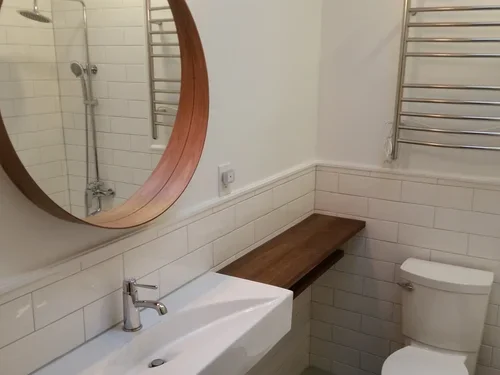
Reclaimed wood furniture in Wisconsin can start with a board that most people would walk past without a second look. I see something different. I see the old cuts, the nail holes, the grain, and the places where the wood has changed with age. Before I decide what to build, I spend time figuring out what the material is already telling me.
I Look at the Wood Before I Design the Piece
I don't begin with a drawing and try to force the wood into it.
I start by looking through the material.
Some slabs are obvious. You can see the grain immediately. Others take more time. The rough surface can hide what is underneath, and a board that seems ordinary at first can change completely after it's planed.
I'll turn a piece over and look at both sides. I'll check where the grain runs, where an old hole sits, how much movement or cracking there is, and which parts are worth keeping.
That first look often changes the design.
I might have an idea for a table, then find that one section of the wood would be wasted if I followed the original plan. So I changed the plan.
That's part of working with reclaimed material. The wood gets a say.
I've written about choosing the right wood for a custom furniture piece before, because the material you start with affects almost every decision that follows.
What Reclaimed Wood Furniture in Wisconsin Looks Like in a Real Home
Reclaimed wood furniture in Wisconsin doesn't have to look like it belongs in a barn.
A dining table can have old timber in it and still feel clean and modern. A built in can use reclaimed material without making the entire room feel rustic. The difference comes down to how the wood is selected and how the piece is designed around it.
I think about how the furniture will actually be used.
A dining table needs the right height. It needs enough room for people to sit comfortably. The surface needs to feel good under your hands. It also needs to stand up to the things that happen around a family table.
Dinner gets spilled.
Chairs get dragged.
Homework gets done.
Someone eventually puts their keys on it.
That's what I mean by functional art. The piece needs to work first. The character of the wood is what makes it worth looking at while you're using it.
The Marks I Keep Are There for a Reason
Old wood often comes with marks that new lumber doesn't have.
You might find a row of nail holes, an old saw cut, a darkened patch, or a knot that has opened slightly over time.
My first instinct isn't to remove all of it.
I'll ask whether the mark affects the strength or function of the piece. If it doesn't, I often leave it alone.
There's a difference between cleaning wood up and erasing what makes it interesting.
That doesn't mean every imperfection stays. Some things need to be removed. A damaged section may need to be cut away. A rough area may need to be worked until it's safe to use. The finished surface still needs to feel good when you run your hand across it.
But I don't want every board to come out looking like it just left a lumber yard.
That's one reason I enjoy working with reclaimed wood versus new lumber. New lumber gives you a different starting point. Reclaimed wood gives you evidence of what came before.
Sometimes the Best Decision Is Not to Cut
One of the hardest things to learn with furniture making is that more work doesn't always make a piece better.
It's easy to see a crack or irregular edge and think it needs to be fixed.
Sometimes it does.
Sometimes that feature is exactly what gives the piece its character.
I've had pieces where the grain changes direction in a way that makes a standard cut feel wrong. Rather than cutting through it, I'll rethink the layout and let that part of the board become visible.
The same thing happens with natural edges.
If the edge works with the design, I'll keep it. If it makes the piece awkward or interferes with how someone will use it, I'll change it.
Those decisions aren't made from a formula. They're made by standing in the shop with the material in front of me and paying attention.
That thinking is a big part of why no two pieces are ever the same.
From a Stack of Old Boards to a Table People Gather Around
The most satisfying part comes later.
After all the decisions about grain, proportion, edges, and structure, the piece starts to look less like a pile of old wood and more like furniture.
This is where I like to step back.
A table can have plenty of history in the material, but it still has to feel right in the room. The proportions need to make sense. The surface needs to invite you to use it. Nothing should feel like a decorative detail that was added just to make the piece look handmade.
The details should come from the material and the way the furniture will be used.
That might be a natural edge along one side of a tabletop. It might be a section of grain that becomes the part you notice first. It might be an old mark that stays visible instead of being sanded away.
Those decisions are small, but they change the character of the finished piece.
You can see more examples of this approach in the With The Trees Design projects.
The Workshop Changes the Wood, But It Doesn't Replace It
There is plenty of practical work involved in turning reclaimed material into furniture.
Boards need to be prepared. Surfaces need to be brought together. Parts have to fit properly. The piece needs to be stable and comfortable to use.
But the workshop isn't about making the wood forget where it came from.
It's about making it usable again without losing the parts that caught my attention in the first place.
Planing can reveal grain that wasn't visible before. A careful cut can remove damage while leaving an unusual feature intact. A finish can bring out colour and depth that were easy to miss on the rough surface.
I've found that patience matters here.
I don't want to make the first cut just because I can.
Once material is removed, you can't put it back.
Why I Like Giving Old Wood Another Use
There is something satisfying about taking material that has been overlooked and finding a place for it in someone's home.
But I don't think the appeal is simply that it's old.
It's that the wood already has qualities that would be difficult to reproduce.
The marks are real. The changes in colour are real. The grain developed over decades, not because someone designed it that way, but because the tree grew that way.
I can't create those things in the workshop.
I can only decide how to reveal them.
That's why reclaimed wood works so well for custom furniture. The material brings something to the design before I ever make the first cut.
The finished piece then gets its own life.
A dining table gets used every night. A built in becomes part of the room. A bench becomes the place where someone sits to take off their shoes.
That's when the furniture becomes more than something you bought for a space.
It becomes something you live with.
Making Something Useful From What Was Almost Forgotten
I don't think reclaimed wood needs to be dressed up or made to look older than it is.
I'd rather let the material speak for itself.
If a board has an old mark worth keeping, keep it. If part of it needs to be removed, remove it. If the original design doesn't work with the material, change the design.
That's the part I enjoy most.
You're not starting with a blank sheet.
You're starting with something that already has character, and figuring out what it can become next.
If you have old wood you've been holding onto because you don't want to see it thrown away, bring the idea to me. We can look at the material together and talk about whether it could become a table, built in, or another piece made for your home. You can also explore more of the custom work I've built and get in touch if you have a project in mind.
Frequently Asked Questions
Is reclaimed wood strong enough for furniture?
It can be. The material needs to be assessed for its condition and intended use before it's incorporated into a piece. The design also needs to account for the characteristics of the wood.
Can reclaimed wood be used for a dining table?
Yes. A reclaimed slab or collection of reclaimed boards can make a strong starting point for a dining table. The final design depends on the material available and how you want the table to function in your home.
Does reclaimed wood furniture always look rustic?
No. The appearance depends on the wood, design, proportions, and finish. Reclaimed material can work in a room with a clean, contemporary design just as well as in a more traditional space.
Do you remove nail holes and other marks from reclaimed wood?
Not automatically. I remove anything that creates a safety, structural, or functional problem. Marks that don't cause an issue can sometimes be left visible because they're part of the material's character.
Can I bring my own old wood for a furniture project?
It depends on the condition, size, species, and stability of the material. If you have wood you'd like to use, it's worth looking at it before deciding what it can become.
How does reclaimed wood affect the furniture design?
The material can influence the dimensions, layout, edge treatment, and overall shape of a piece. Sometimes the original design changes after I get a closer look at the wood.
Can reclaimed wood be used for custom built-ins?
Yes. Reclaimed material can be incorporated into built-ins and other custom millwork when it suits the design and the space. You can also explore the custom built ins and millwork work for more examples.