
Designing Furniture That Lasts for Generations
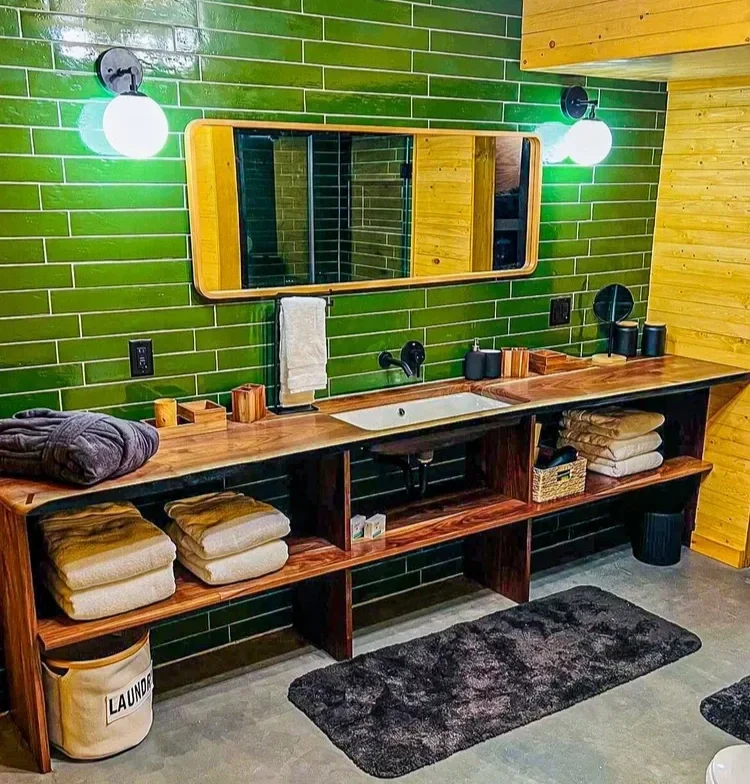
Heirloom furniture in Wisconsin should be made for real life, not just for the day it leaves the workshop.
I've never thought a piece becomes an heirloom simply because it's made from expensive wood or built thick enough to last a hundred years. The furniture has to earn its place in a home first. It needs to be used, lived with, repaired when necessary, and still feel worth keeping years later.
That's what I think about when someone asks me to build a piece for their home.
Design for the Way You Actually Live
Before I think about the wood, I want to know how the furniture is going to be used.
Take a dining table. There's a big difference between a table for two people who eat quietly most nights and one for a family that hosts Thanksgiving, has three kids doing homework at the table, and regularly has friends sitting around it.
Those details change the design.
The size matters. So does the height. The amount of overhang matters. So does where someone's knees will sit when they're there for a two hour dinner.
I don't want to make a beautiful table that nobody enjoys using.
I've worked on custom pieces where the most useful part of the design wasn't something you'd notice in a photograph. It was a decision made around how the client actually lived in the space.
That's one of the reasons I enjoy custom furniture. The design starts with a person and a home, rather than a catalogue dimension.
For more on that process, I've written about how a custom dining table becomes the heart of a home.
I Usually Start With the Wood
There are times when I have a clear idea of what a piece needs to be.
There are other times when the wood changes my mind.
I'll stand in front of a stack of slabs and look at them for a while before deciding which one belongs on a project. I'm looking at the grain, but I'm also looking at everything that makes that particular board different.
A knot might sit right where someone's eye naturally lands. A live edge might have a curve that would look wrong on one table but perfect on another. A section of grain might become much more interesting once the slab is planed.
I don't want to cut those things away simply because they're inconvenient.
Sometimes the best design decision is the one that lets the wood keep doing what it was already doing.
I've written more about why no two pieces are ever the same. It's a big part of why I enjoy working with natural material.
The Marks Don't Have to Disappear
Perfect isn't always the goal.
I've had clients choose wood because of a feature that another person might have called a flaw. A dark knot. An irregular edge. A change in grain direction. Those details can give a piece its personality.
The same thing happens after the furniture leaves my shop.
A dining table gets a scratch. Someone spills red wine. A chair gets dragged across the floor. Sunlight changes the colour of the wood over the years.
That's normal.
If a piece is going to stay with a family for decades, I don't think it should require everyone to be afraid of using it.
I'd rather make something that can take a few marks and still look good.
Choosing Wood for the Long Haul
There isn't one species of wood that automatically makes a piece an heirloom.
The right choice depends on the project.
Sometimes the character of reclaimed wood is exactly what a piece needs. Old timber can carry saw marks, nail holes, weathering, and colour changes from the life it had before it reached my workshop.
Other times, new lumber makes more sense.
When I'm choosing between them, I'm thinking about the piece first. How it will be used. What kind of character suits the room. Whether the history of reclaimed timber adds something meaningful to the design.
I've shared more about this in reclaimed wood versus new lumber.
The important thing is not choosing a material because it sounds impressive. It's choosing one that makes sense for the furniture.
Think About What Happens After the Workshop
A piece of furniture doesn't stop changing once it's finished.
Natural wood responds to its surroundings. It can change colour with light. Small marks appear through normal use. A finish can soften with age.
I like seeing some of that happen.
I've always found it interesting to look at an older piece of hardwood and see where people have touched it most. The places that have been handled for years often develop a different character from the parts that nobody touches.
That's one reason I don't design furniture around the idea that it needs to look exactly the same forever.
It won't.
And I don't think it should.
Good furniture needs to have a life beyond the day it was made. If you're interested in that idea, why handmade furniture is worth the investment goes deeper into what makes a handcrafted piece different from something made simply to fill a room.
Build Something That Can Be Repaired
If I'm making something that I hope will stay in a family for generations, I have to think beyond the first finish.
Furniture gets used. Things happen.
A finish can wear through. A joint may need attention years later. A surface may need to be sanded and refinished after decades of use.
That doesn't mean the piece has failed.
It means someone has kept it long enough to need care.
That's a very different relationship with furniture than replacing something every few years because it no longer looks new.
I like the idea that someone could bring a well made piece back into the workshop years later and give it another life.
The original piece is still there. It just has another chapter.
The Best Furniture Gets Used
This is probably the simplest test I have.
If people are afraid to use the furniture, I haven't done my job.
Put the coffee on the table.
Have dinner.
Let the kids do their homework.
Invite people over.
A dining table should collect some evidence of all that. Not damage from poor construction, but the ordinary marks that come from being part of a household.
Years from now, those marks may be the things someone remembers.
Maybe the table was there when the kids were small. Maybe the family moved and took it with them. Maybe it ended up in another house when the next generation needed a table.
That's how furniture becomes worth keeping.
Not because nobody touched it.
Because everybody did.
What Makes a Piece Worth Passing Down?
I think there are a few questions worth asking before commissioning furniture that you hope will stay in the family.
Will you still want to live with the design if your home changes?
Does the material have enough character that you'll enjoy looking at it for years?
Can the piece be cared for rather than replaced?
Does the size make sense for how your family actually uses the room?
And perhaps the biggest question is this.
Will you want to tell someone where it came from?
That last one matters to me.
I've made pieces where the story behind the wood was almost as interesting as the finished furniture. The material had a previous life. The client had a particular reason for choosing it. The finished piece ended up carrying both stories.
That's the kind of connection I hope for with heirloom furniture in Wisconsin.
Furniture That Gets Better With Your Story
I can't tell you exactly what a piece will mean to a family twenty years after I make it.
I can control how I approach the work.
I can spend time with the wood before cutting it. I can design around the way someone actually lives. I can leave a natural feature in place when it belongs there. I can make choices that allow the piece to be cared for instead of discarded.
Then the furniture leaves my hands.
The family gets to decide what happens next.
If you're thinking about a custom dining table, built in, or another piece for your home, tell me about your project. I'd like to hear what you're building, how you plan to use the space, and what you hope the furniture will mean to you years from now.
Frequently Asked Questions
What makes furniture an heirloom?
It isn't just age or price. A piece becomes an heirloom when people value it enough to keep, care for, and eventually pass along. The design, materials, construction, and personal history all play a part.
How should I design furniture that can stay in my family?
Start with how you actually use your home. Think about who sits at the table, how often you entertain, how the room may change, and what kind of furniture you'll still enjoy living with years from now.
Is reclaimed wood a good choice for heirloom furniture?
It can be. Reclaimed timber can bring marks, grain patterns, and a history that new lumber doesn't have. The right choice depends on the condition of the material and the design of the piece.
Will natural wood change as it ages?
Yes. Light, handling, and normal use can change the colour and appearance of wood over time. Those changes are part of owning natural wood furniture.
Can custom furniture be repaired years later?
Many well made pieces can be repaired, refinished, or restored. Thinking about future care during the original design can make that process easier.
Should heirloom furniture be kept looking new?
I don't think so. Furniture is meant to be used. Small marks from normal life can become part of the history of a piece without taking away from its value.
How do I start a custom furniture project?
Start by talking about the space and how you use it. Bring photographs, measurements, or even rough ideas if you have them. From there, we can talk about the wood, the design, and what you want the finished piece to become.