
Why Locally Crafted Furniture Matters
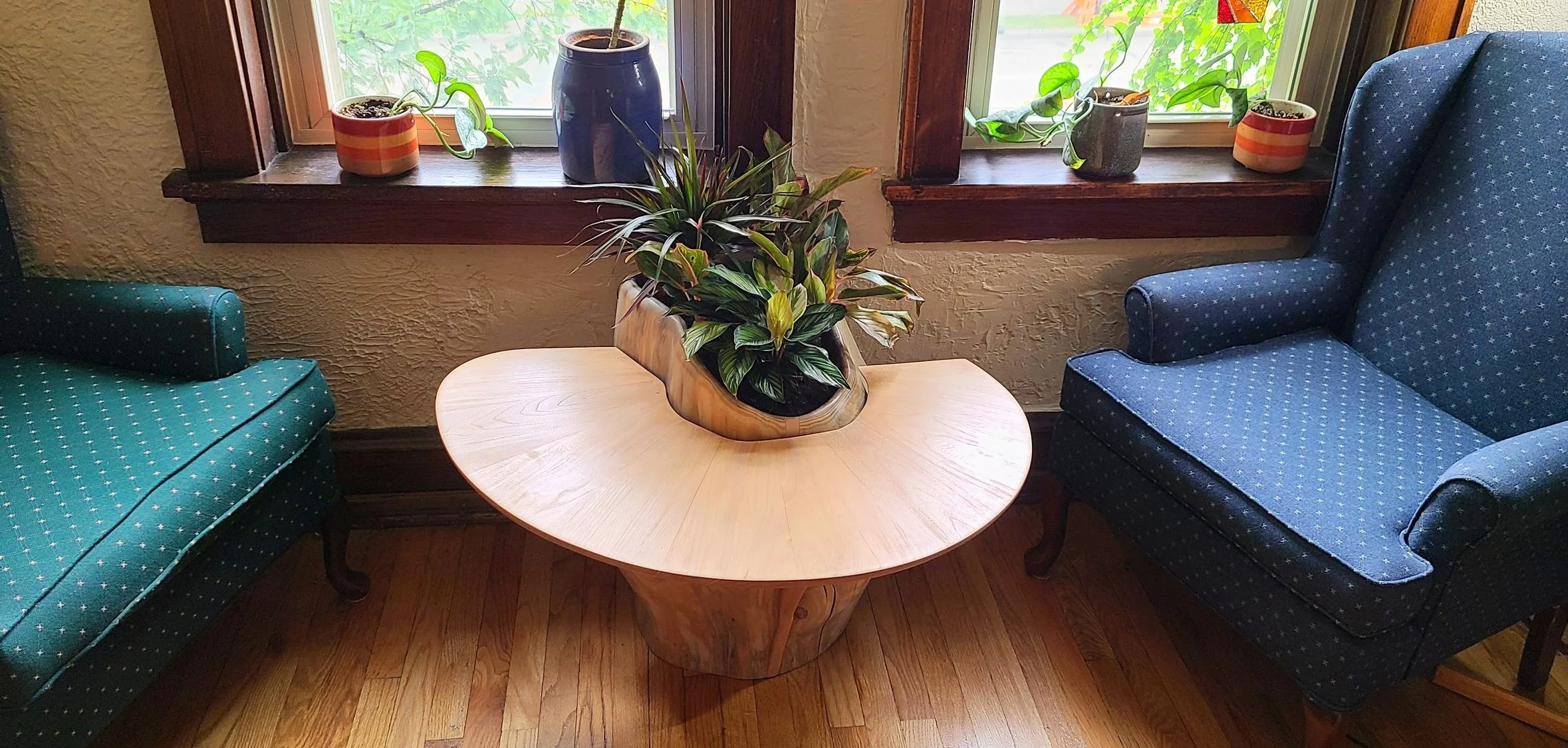
Furniture is part of the everyday life of a home. It holds family meals, quiet mornings, conversations that stretch late into the evening, and the small moments that become memories over time. Yet much of what we bring into our homes is chosen for convenience, appearance, or price, with little thought given to where it came from or who made it.
That is one reason I believe locally crafted furniture matters. As a Wisconsin woodworker, I see a piece of furniture as more than wood shaped into something useful. The material has its own character, the making takes patience, and the finished piece should feel like it belongs in the home it was made for. Choosing local craftsmanship creates a closer connection between the person who makes something and the person who will live with it. It also gives us a chance to value the wood, the work, and the story behind a piece instead of treating furniture as something easily replaced.
A Piece of Furniture Should Have a Reason for Being Made
I've always thought there's a difference between buying furniture and having something made for your home.
When you buy a piece from a showroom, you're choosing from what already exists. That's perfectly fine for many things. But sometimes a room calls for something different. A table that's a little longer. A particular kind of wood. A shape that works with the architecture rather than fighting against it.
That's where locally crafted furniture has its own appeal.
Instead of starting with a finished product, you start with a conversation. How will the piece be used? Who will gather around it? What kind of wood draws your attention? How should it feel in the room?
Those questions influence the design before a single cut is made.
I don't think furniture needs to be complicated to be interesting. Sometimes the best decision is to leave something alone.
What a Wisconsin Woodworker Sees in a Piece of Wood
When I look at a slab, I'm not looking for a perfectly uniform surface.
I'm looking at the grain, the natural edge, the knots, and the way the wood changes across its length. These details can influence what the finished piece becomes.
Imagine choosing a slab for a dining table. One edge might have a gentle curve that gives the table its character. A knot might sit right where someone expects a perfectly clear surface. The question isn't automatically how to remove these features. It's whether they belong in the design.
Sometimes they do. Sometimes they don't.
That judgment is part of working with natural material. Every decision affects the next one.
This is also why I enjoy natural wood furniture in Wisconsin. The wood brings its own character. My job is to understand it and make decisions that respect it.
The wood should influence the design
I don't believe every piece of wood should be made to look the same.
A live edge, for example, can bring the shape of the original tree into a room. But keeping a natural edge isn't a rule. It needs to make sense for the particular piece.
The same goes for knots and changes in grain. They shouldn't be preserved simply because they're natural. They should be considered as part of the design.
That's the difference between working with wood and treating it like a blank surface.
Why Buying Locally Changes the Experience
One of the things I appreciate about working directly with a customer is the opportunity to understand what they actually need.
A dining table for a family of four has different requirements from one designed for regular gatherings of ten. A table placed in a large open room needs a different presence from one tucked into a smaller dining area.
These details are difficult to communicate through a product photograph.
When you're working with a local maker, you can discuss the space, dimensions, materials, and intended use before settling on a design.
You can also ask questions about the wood itself.
Where did it come from? Why was it chosen? Which natural features will remain visible? How should the finished surface be cared for?
I think those conversations make a difference. They help you understand what you're bringing into your home, rather than simply deciding whether you like the photograph.
You get to understand the thinking behind the piece
A custom piece involves decisions that aren't always visible in the finished furniture.
Why is the tabletop shaped this way? Why does the base have this particular form? Why was one section of the wood kept rather than cut away?
These decisions are part of the maker's work.
I've explored this thinking in how a custom furniture piece takes shape.
The finished piece is only part of the story. Understanding how it came together can make the relationship with that furniture more meaningful.
Local Craftsmanship Gives Wood a Longer Conversation
I find reclaimed wood particularly interesting because it doesn't arrive without a past.
It may have spent years as part of a building or another structure. Its marks and changes in color can tell us something about what it has already been through.
I don't think those signs of age should automatically be removed.
Of course, old wood needs to be assessed before it's used. Its condition, stability, and suitability for the intended purpose all matter. But preparation shouldn't be the whole story.
The more interesting question is what the material could become.
A piece of reclaimed timber might become a dining table, a cabinet, or another object that gives it a new place in someone's home.
That's one reason I enjoy exploring reclaimed wood furniture in Wisconsin.
There's a difference between making something look old and allowing its existing character to remain visible.
Choosing materials with care
The choice between new lumber and reclaimed wood isn't always straightforward.
New lumber offers its own possibilities. Reclaimed wood brings an existing history, but it also requires careful consideration of its condition.
Neither is automatically the better choice.
What matters is whether the material suits the piece being made and whether the design makes good use of it.
I've written more about this in reclaimed wood versus new lumber.
For me, using wood thoughtfully means paying attention to what is already there before deciding what needs to change.
What to Consider Before Commissioning Custom Furniture
If you're thinking about working with a Wisconsin woodworker, I'd suggest starting with how you intend to use the furniture.
The appearance matters, of course. But a beautiful table that doesn't fit your room or your everyday needs isn't going to be the right table.
Here are a few things worth discussing before a project begins.
Think about the space first
Measure the room and consider how people move through it.
For a dining table, think about the number of people who will regularly sit around it. Consider the chairs, the surrounding furniture, and how much room you'll need to walk comfortably.
A table should feel like it belongs in the room, not like something that was squeezed into it.
Look at the actual wood
Photographs are useful, but they don't always show the full character of a slab.
Grain patterns, natural edges, knots, and color variations can look quite different in person.
If possible, ask to see the timber being considered for your project. Discuss what will remain visible and what might need to be altered.
This is particularly worthwhile when the wood itself is one of the main reasons you're commissioning the piece.
Ask about the design decisions
A good conversation with a furniture maker should go beyond color and dimensions.
Ask why a particular wood is suitable. Discuss how the piece will be constructed and finished. Find out how the maker approaches natural imperfections and what maintenance the finished furniture will need.
You don't need to know all the technical details. You should, however, feel comfortable asking questions and understanding the answers.
Consider how the furniture will age
Wood changes over time.
Its color can deepen or shift with exposure to light. Small marks can appear through everyday use. The surface may develop signs of the people and activities around it.
Think about whether you want furniture that hides every sign of use or something whose character can develop with your family.
Neither preference is wrong. The important thing is knowing what you're choosing.
Furniture Can Become Part of a Home's Story
A dining table isn't just used during special occasions.
It's where someone might sit with a cup of coffee in the morning. Where children spread out their schoolwork. Where friends stay long after dinner because nobody is ready to leave.
These ordinary moments are what give furniture meaning.
I've always been drawn to the idea that a piece should have a life beyond the day it leaves the workshop.
That doesn't mean every table needs to become a family heirloom. But I like the thought that something made today might still have a place in someone's home many years from now.
This is the thinking behind heirloom furniture in Wisconsin.
When I make furniture, I want the material and the design to work together. I don't want to remove every trace of what makes the wood individual just to achieve a uniform finish.
The tree already did the growing. I think the least I can do is give its wood the attention it deserves.
Why Locally Crafted Furniture Still Matters
For me, the value of locally crafted furniture isn't simply that it was made nearby.
It's the opportunity to know the person making it, understand the material, and be part of the decisions that shape the finished piece.
It's also about slowing down enough to ask whether something is worth making in the first place, and what it should become.
A table doesn't need to be extraordinary in every way. It needs to work in the home, feel right to the people using it, and have a reason behind its design.
If you're considering a custom piece for your home, I'd enjoy hearing what you have in mind. Maybe you've found a piece of wood you can't stop thinking about. Maybe there's a space that needs something made specifically for it.
Either way, I'd rather start with a conversation than a catalogue.
You can get in touch with me and tell me a little about your project.
Frequently Asked Questions
1. Why should I choose locally crafted furniture?
Working with a local furniture maker gives you the opportunity to discuss the design, materials, dimensions, and intended use directly. You can understand the decisions behind the finished piece and have something made specifically for your home.
2. What does a Wisconsin woodworker do?
A Wisconsin woodworker creates or works with wood to make furniture and other objects. Depending on the maker, this can include selecting timber, designing pieces, shaping materials, and finishing the completed work.
3. Is custom furniture worth the investment?
That depends on what you're looking for. Custom furniture may cost more than mass produced alternatives, but it allows you to consider the dimensions, materials, and design individually. It's particularly worth considering when standard furniture doesn't suit your space or needs.
4. Can I choose the wood for my custom furniture?
In many custom projects, you can discuss wood species, grain patterns, natural edges, and other characteristics with the maker. The final selection should also account for the intended use and suitability of the material.
5. Is reclaimed wood suitable for custom furniture?
It can be. However, reclaimed wood needs to be assessed for its condition and suitability before being used. Its previous life may leave interesting marks and character, but the material must also be appropriate for the intended furniture.
6. What should I discuss with a furniture maker before starting a project?
Start with the intended use, room dimensions, preferred materials, design direction, budget, and expected timeline. You should also discuss finishing, maintenance, and how the maker plans to approach the natural features of the wood.
7. How do I find the right custom furniture maker in Wisconsin?
Look at the maker's completed projects and pay attention to how they work with natural materials. Ask about their design approach, experience with similar pieces, and willingness to discuss your requirements. A good conversation should help you understand whether their approach suits what you have in mind.